
02 September 2026 · TJ Smile Studio
Single Visit Composite Edge Bonding UK, Repair Chips and Keep Enamel
Clinician led UK guide to composite edge bonding. Single visit repairs for chipped front teeth, with clear costs, upkeep and straightforward repair options.
Composite edge bonding rebuilds the biting edge of a front tooth using tooth-matched composite resin, applied in a single visit without drilling. It suits small chips, mild flattening, and slight asymmetry between the front teeth. It won’t outlast a porcelain veneer, but for a minor problem, it’s the quickest and least invasive route to a tidier smile.
TL;DR:
- Composite edge bonding is ideal for small chips, slight flattening, or minor asymmetry on otherwise healthy front teeth, offering a quick, minimally invasive fix.
- It typically lasts around two to five years, with repairs being simple and usually completed in a single visit, but staining and chipping are common issues without proper upkeep.
- Heavy grinding, untreated decay, or gum disease disqualify many patients, making bite and oral health assessments essential before treatment.
- Cost varies based on the number of teeth and shade matching complexity, with simple chips costing less than broader reshaping or multiple teeth.
- Choosing a qualified, experienced cosmetic dentist registered with the GDC increases the likelihood of a successful, long-lasting result.
Table of Contents
- What is composite edge bonding, exactly?
- Who is edge bonding actually right for?
- What happens during the appointment?
- Edge bonding vs full bonding vs veneers
- How long does it last, and what upkeep does it need?
- What can go wrong with edge bonding?
- What does composite edge bonding cost?
- How do you choose the right dentist for this?
- Why we treat edge bonding as a first step, not a final answer
- Book a composite bonding consultation at TJ Smile Studio
- Sources
- FAQ
What is composite edge bonding, exactly?
Composite resin is a mixture of a plastic matrix and fine glass or ceramic filler particles, blended and layered to match the shade of the surrounding tooth. Your dentist builds it up in thin increments, curing each layer with a blue light before adding the next, which is how the material gains both strength and a lifelike, slightly translucent edge.
The “edge” distinction matters. Full composite bonding can reshape an entire tooth surface, close gaps, or change the overall shape of a smile. Edge bonding is narrower in scope: it targets only the incisal tip, the bit that shows when you smile or speak.
Common problems it fixes:
- A small chip from biting something hard, or an old sports knock
- Slight flattening from years of normal wear
- One front tooth looking shorter or more jagged than its neighbour
- Minor unevenness across the smile line
Dental bonding of this kind is generally considered less invasive than veneers precisely because it deals with a small, defined area rather than the whole tooth face.
Who is edge bonding actually right for?
You’re a good candidate if the damage is limited to the tip of the tooth: a chip you can see in the mirror, a slightly worn edge, or one tooth that looks a fraction shorter than the rest. It works best when the underlying tooth structure is otherwise sound.
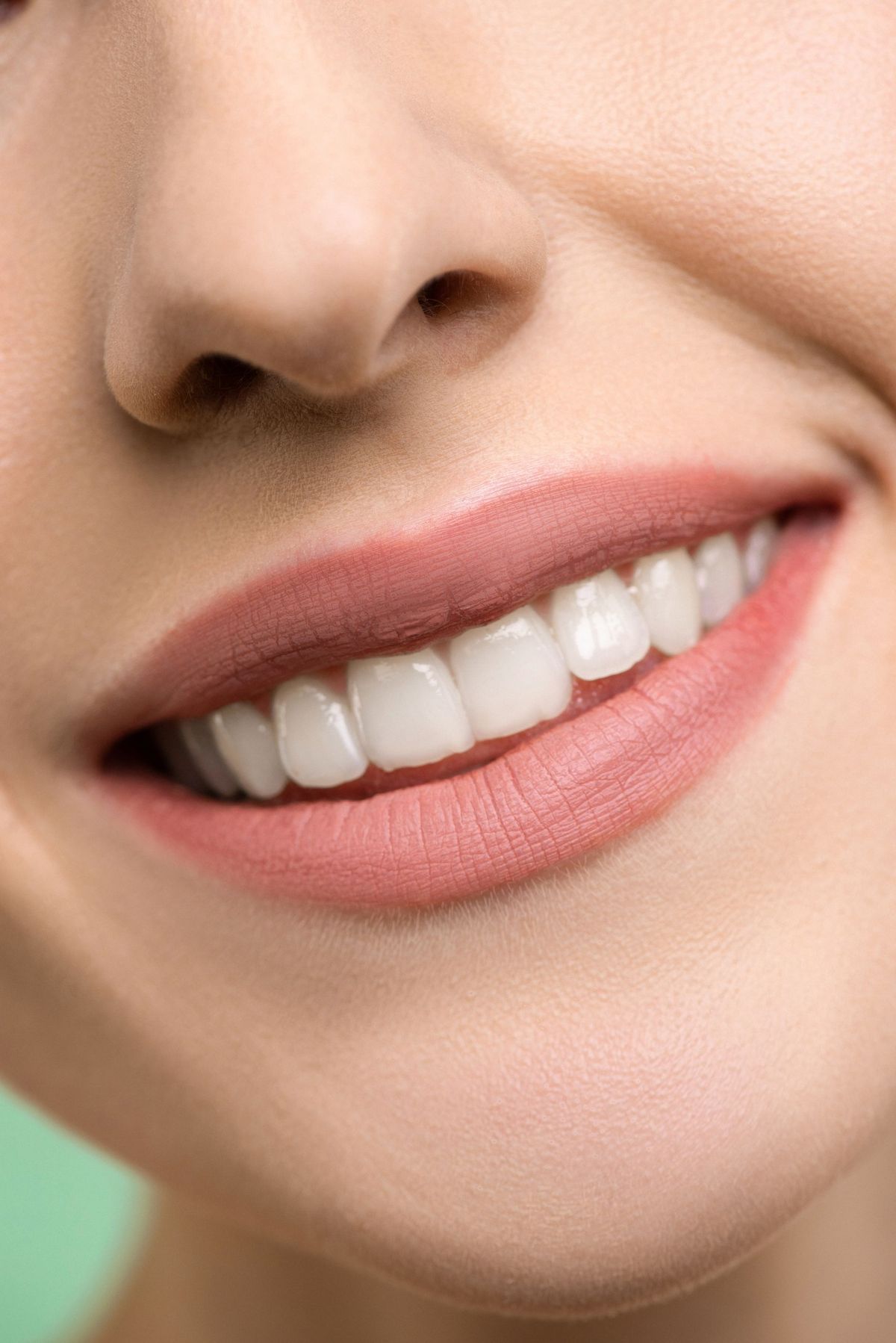
It’s the wrong tool for the job if you have heavy wear across several teeth, a large fracture that exposes deeper layers, active decay, or gum disease that hasn’t been treated. Bonding sits on the tooth surface, so any underlying health issue needs sorting first.
Bruxism (grinding or clenching, often overnight) is the one factor that trips up more patients than anything else. A thorough check of your bite before treatment is worth having, because heavy grinding puts enormous, repeated force on exactly the thin edge you’ve just rebuilt.
- Chipped or flattened incisal edge with sound underlying tooth: suitable
- Heavy wear across multiple teeth or large fractures: usually not suitable
- Untreated decay or gum disease: treat first
- Confirmed grinding or clenching: manageable with a night guard, but flag it early
Pro Tip: If you clench your jaw when stressed, or wake up with a sore jaw, mention it at your consultation even if no dentist has ever raised it with you. It changes how the case is planned.
What happens during the appointment?
Edge bonding is usually finished in one sitting, and for a single tooth that often means well under an hour once you’re in the chair.
- Your dentist examines the chip or wear pattern and checks your bite.
- A composite shade is matched against your natural tooth colour, sometimes across a couple of shades to get the layering right.
- The tooth surface is lightly conditioned. There’s often no drilling and no need to remove healthy enamel.
- Composite is applied in thin layers, each cured with a light before the next goes on.
- The edge is sculpted to match the shape and angle of the surrounding teeth.
- Everything is polished to a natural sheen.
Most patients don’t need local anaesthetic for edge bonding, since there’s no drilling into sensitive tooth structure. A single visit is typical, and any post-treatment sensitivity tends to be mild and short-lived, usually settling within a day or two.
Edge bonding vs full bonding vs veneers
Edge bonding is the conservative choice: it touches only the damaged tip, adds no bulk to the rest of the tooth, and can be undone or adjusted without permanently altering what was there before.
Full composite bonding covers more ground. If you want to close a gap, change the shape of several teeth, or address broader unevenness, that’s the better fit, since it works across the whole visible surface rather than just the edge.
Porcelain veneers sit at the other end of the spectrum. They last longer and resist staining far better than composite, but getting there usually means removing a thin layer of enamel to make room for the shell, which is not reversible.
- One chipped tip, otherwise healthy tooth: edge bonding
- Multiple teeth needing reshaping or gap closure: full composite bonding
- Long-term durability and heavy staining resistance a priority: porcelain veneers
A useful way to weigh it up is invasiveness against longevity. Edge bonding asks the least of your natural tooth and gives you the least in return over time. Veneers ask more upfront and pay it back over a longer run. Full composite bonding sits in between.
How long does it last, and what upkeep does it need?
Composite doesn’t last forever, and it isn’t meant to. A 2023 scoping review referenced by clinical sources found survival rates of around 95.6% at two years and 88.6% at five years for similar localised anterior composite restorations, though results vary with bite force and how well the edge is cared for.
Chipping or a small fracture is the most common reason patients come back, not gradual failure of the material itself. The good news is that repairs are usually quick: adding fresh composite and repolishing can often be done in a single visit, rather than starting again from scratch.
- Coffee, tea, red wine and tobacco stain composite faster than porcelain, since the resin is more porous
- A professional polish every six to twelve months keeps the edge looking fresh
- Watch for a rough edge you can feel with your tongue, a colour mismatch developing, or a visible new chip
What can go wrong with edge bonding?
The biggest risk is mechanical, not biological: the edge chips again, usually because of biting pressure it wasn’t designed to absorb. Patients with a heavier bite or untreated grinding see this more often than anyone else.
Staining is the second issue worth knowing about. Composite picks up colour from dark drinks and tobacco more readily than porcelain does, so a bright white result at month one can look duller by month twelve without upkeep.
- Chipping, especially at the very tip, under heavy biting force
- Gradual staining if diet and cleaning habits don’t change
- Slight shade drift where the bonded edge no longer quite matches the tooth around it
- A small chip can usually be repaired; extensive damage may need the whole edge redone
See your dentist promptly if a chip exposes a large area, if you notice sharp or persistent pain, or if the edge feels loose. Those are signs worth checking sooner rather than later.
What does composite edge bonding cost?
Pricing depends mostly on how many teeth need work and how much shaping each one requires. A single chipped edge costs less than a full row of front teeth needing matched, symmetrical work, and complex cases (matching translucency across several teeth) take more chair time than a simple one-tooth repair.
A proper quote should spell out what’s included: the material used, whether a follow-up polish is covered, and what a chip repair costs if one happens within the first year or two. Ask this upfront, because policies differ between clinics.
- Cost scales with the number of teeth and the complexity of shade matching
- A full quote covers materials, any planned follow-up, and repair terms
- Some clinics offer workflows that allow patients to leave with a finished result on the day of consultation
- Some clinics ask for a deposit to secure your appointment, and bonding can often be combined with whitening in the same visit
How do you choose the right dentist for this?
Start by checking that your dentist is registered with the General Dental Council, the UK’s regulator for dental professionals. It’s a quick check and a fair baseline for any cosmetic work.
- Confirm GDC registration and look at the clinician’s stated qualifications and experience with cosmetic bonding.
- Ask to see genuine before-and-after photos of edge bonding cases, not just full smile makeovers.
- Ask whether they offer a digital mock-up so you can see the planned shape before treatment starts.
- Ask directly: expected lifespan for your case, their aftercare advice, their night guard policy if you grind your teeth, and what a repair costs later.
Pro Tip: Bring a photo of your smile from a few years ago if you have one. It helps your dentist see exactly how much the edge has changed and plan the new shape around it.
For a broader checklist beyond bonding, TJ Smile Studio’s guide on choosing a cosmetic dentist covers what to look for at a first consultation.
Why we treat edge bonding as a first step, not a final answer
Edge bonding earns its place because it asks so little of the tooth and gives back a genuinely visible improvement. That’s rare in cosmetic dentistry, where bigger results usually mean more removed enamel.
What gets underplayed is the maintenance side. Composite is a living surface on your tooth, not a permanent fix, and treating the cause of wear, whether that’s a heavy bite or a grinding habit, matters as much as the bonding itself. Skip that step and you’ll be back sooner than expected.
We’d rather see a patient book a consultation than attempt to judge suitability from a mirror at home. The digital preview we use lets you see the planned edge shape before any composite touches your tooth.
— Dr Tashfeen Jamil BDS, MFDS RCS Ed, AssocFCGDent - GDC 286427
Book a composite bonding consultation at TJ Smile Studio
TJ Smile Studio is the option for readers who want a fix that matches the size of the problem, not a bigger treatment than the chip actually needs. Our composite bonding service in Glasgow uses the same shade-matching and layering approach described above, planned around your bite and finished, in most cases, in a single visit.
At consultation, Dr Tashfeen Jamil BDS, MFDS RCS Ed, AssocFCGDent assesses the damaged edge, checks your bite for grinding or clenching, and can show you a digital preview of the planned shape before any composite is applied. A booking deposit secures your appointment slot, and if your case suits a broader smile refresh, that can be discussed at the same visit through our Digital Smile Makeover service. If a single chip is all you need addressed, book directly through our composite bonding page and get a clear quote before you commit.
This article is general information, not a substitute for advice from a qualified doctor. Consult a qualified healthcare professional about your own circumstances before acting on anything here.
Sources
FAQ
What’s the difference between composite bonding and edge bonding?
Composite bonding can reshape a whole tooth surface or close gaps across several teeth, while edge bonding targets only the incisal tip, typically for a chip or worn edge.
How much does composite edge bonding cost for two teeth?
Price depends on shade complexity and how much shaping each tooth needs, so it’s best to get a written quote covering materials and any follow-up repair terms rather than relying on a general figure.
Does composite edge bonding make your teeth look whiter?
It can make the treated edge look brighter if it replaces a discoloured or worn tip, but it’s matched to your existing tooth shade rather than designed to whiten your whole smile; combining it with whitening beforehand often gives the best result.
What are the downsides of composite bonding?
The main downsides are chipping under heavy bite force and staining from coffee, tea, red wine and tobacco, since composite is more porous than porcelain and needs more regular upkeep to stay looking its best.
Recommended
This article is general information, not personal dental advice. What’s right for your teeth depends on a clinical examination — the condition of your enamel, gums, bite and any existing dental work — and no article can assess that. Outcomes vary between patients, and all treatment at TJ Smile Studio is subject to assessment and clinical suitability.
- Dr Tashfeen Jamil BDS, MFDS RCS Ed, AssocFCGDent, PGDip Restorative and Aesthetic Dentistry — GDC registration 286427
This article is general information, not personal dental advice. What's right for your teeth depends on a clinical examination — the condition of your enamel, gums, bite and any existing dental work — and no article can assess that. Outcomes vary between patients, and all treatment at TJ Smile Studio is subject to assessment and clinical suitability.
Clinically reviewed by Dr Tashfeen Jamil BDS, MFDS RCS Ed, AssocFCGDent, PGDip Restorative and Aesthetic Dentistry — GDC registration 286427, Principal Dentist at TJ Smile Studio, 1 Spiersbridge Way, Thornliebank, Glasgow G46 8NG.
If you have dental pain, swelling or an injury, call the practice on 07728 808510. Out of hours in Scotland, call NHS 24 on 111.